Click on the cart icon in the top navigation to proceed to the checkout. There you can download this item free of charge (no credit card info necessary!).
By Kerry Glass
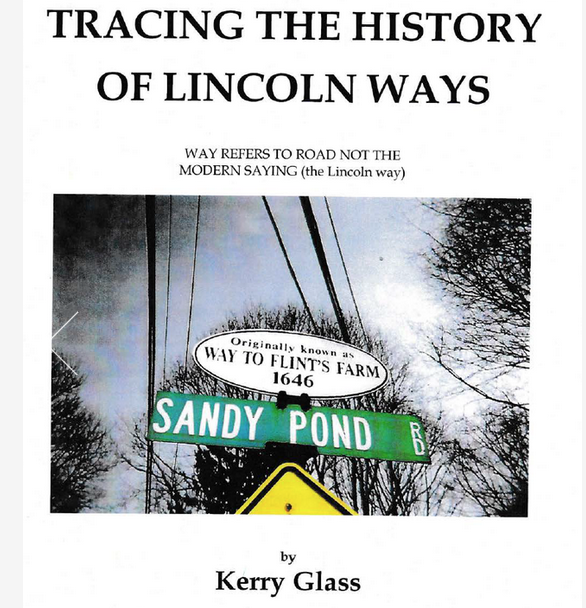
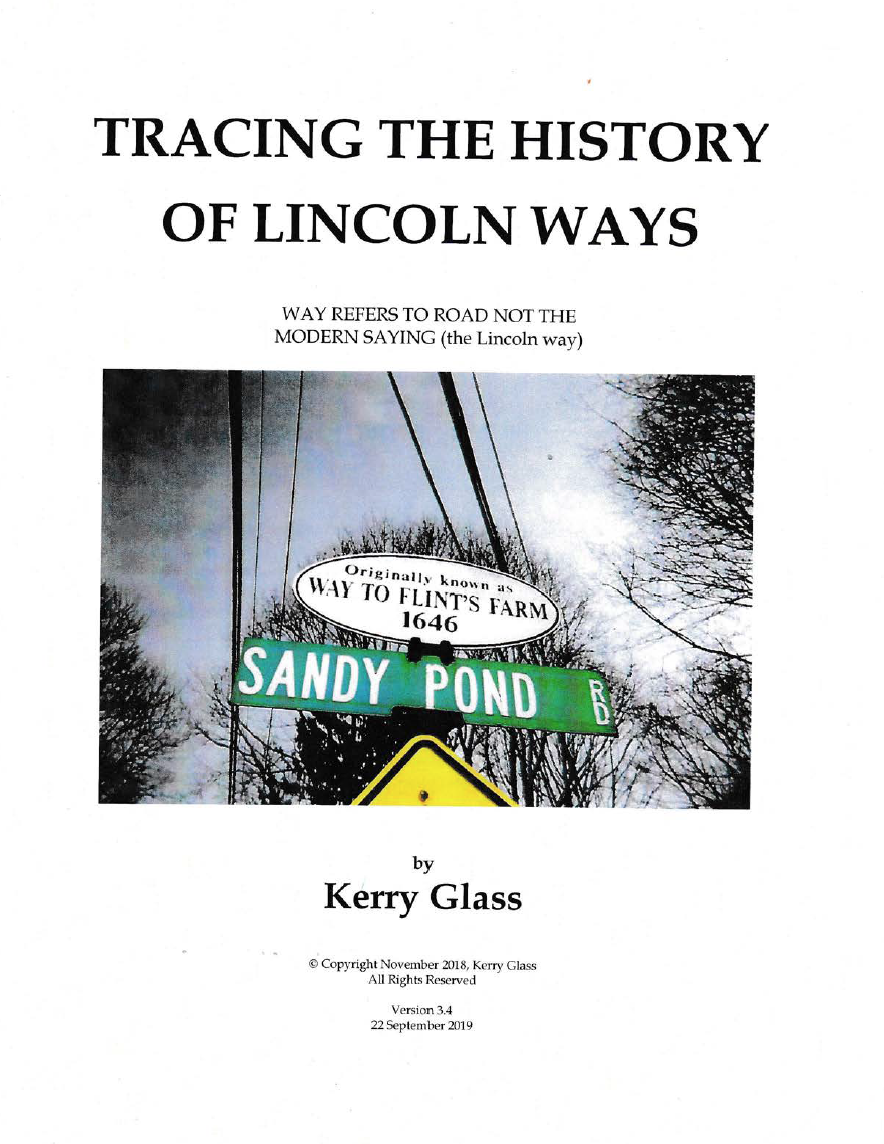
Through a series of maps, Kerry Glass illustrates the impact of topography on the early formation of Lincoln’s road system. Much of Lincoln’s topography (wetlands, ridges and rocky soil) resulted in roads initially going around it—not through it. The land was complicated to get to and not that desirable. Despite the eventual arrival of the railroad, which brought wealthy Bostonians seeking refuge from the press of the city, Lincoln never developed the commerce of surrounding towns whose roads were more established, and the town itself maintained its distinctive rural character, later reinforced by a Post WWII interest in land conservation. Lincoln’s topography, which at one time was a liability to bypass, eventually became its defining asset.
By Kerry Glass
Through a series of maps, Kerry Glass illustrates the impact of topography on the early formation of Lincoln’s road system. Much of Lincoln’s topography (wetlands, ridges and rocky soil) resulted in roads initially going around it—not through it. The land was complicated to get to and not that desirable. Despite the eventual arrival of the railroad, which brought wealthy Bostonians seeking refuge from the press of the city, Lincoln never developed the commerce of surrounding towns whose roads were more established, and the town itself maintained its distinctive rural character, later reinforced by a Post WWII interest in land conservation. Lincoln’s topography, which at one time was a liability to bypass, eventually became its defining asset.
Click on the cart icon in the top navigation to proceed to the checkout. There you can download this item free of charge (no credit card info necessary!).